Semantic SEO is now one of the key strategies in ranking within Google, in its changing search environment. Search engines no longer just analyse the keywords, but the meaning, the context, and relationships amongst the topics. This change is inspired by the development of artificial intelligence and natural language processing. When users enter something into Google, it attempts to determine what they want and provides the best information. This is why it is no longer enough to insert the keywords. In 2026, websites that generate meaningful, well-constructed, and context-rich content are doing better in search results.
Table of Content
What is Semantic SEO
Semantic SEO involves optimizing content through the use of meaning, context and relationships between topics instead of individual keywords. It dwells upon entities, user intent and the relationship among various concepts. As an example, semantic SEO would promote writing one comprehensive page to describe the similar keywords, rather than writing one article per similar keyword. This will assist the search engines to have a deeper understanding of your content and increase your likelihood to rank with various related search terms.

Why Semantic SEO is Important in 2026
Search engines have become smarter and more advanced. Now they use AI systems to comprehend relationships between words and topics. This renders the semantic SEO strategy important to contemporary websites. Semantic SEO helps enhance the relevance of the content and the engagement of users and to rank higher on a wider range of keywords. It also assists in lessening the issue of stuffing keywords, and enhances the overall content quality, which is one of the most important ranking criteria nowadays.
The Working of Semantic SEO
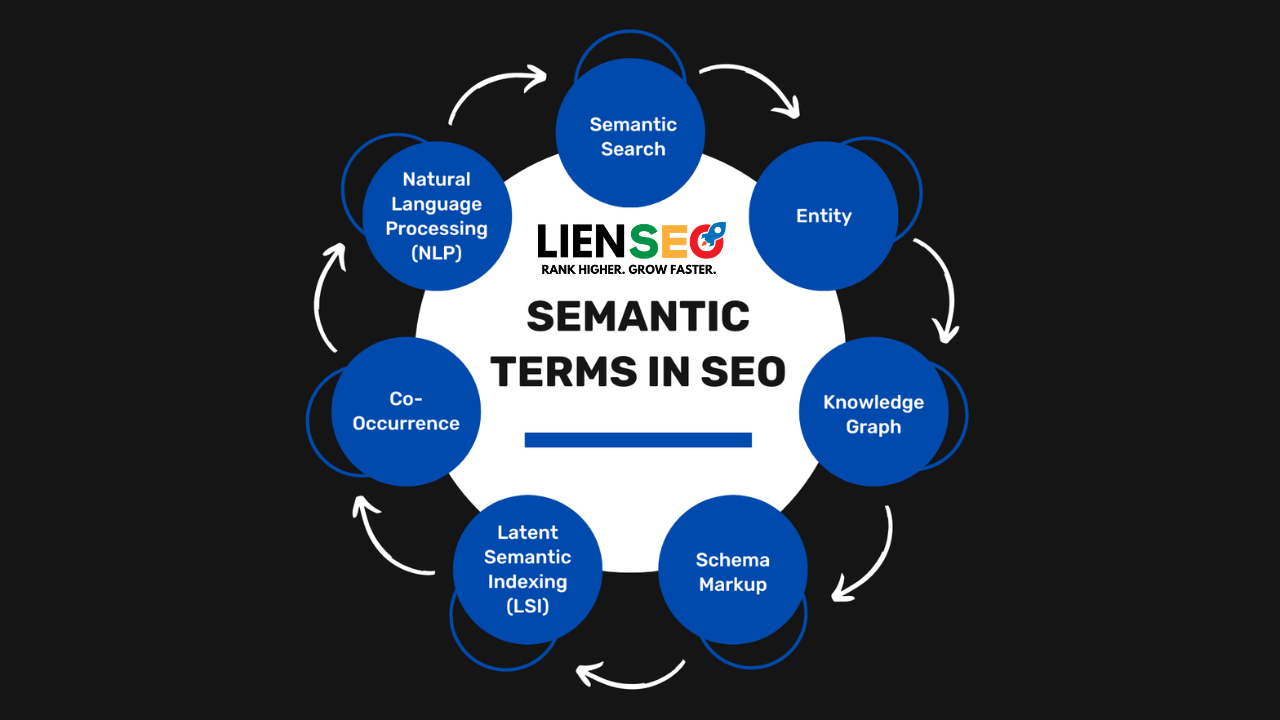
Semantic SEO functions through the linkage of varied elements of the content like keywords, entities and user intent. It entails knowing the relationship of topics and arranging the content based on that. The knowledge graph is a system employed by search engines to recognize entities and relationships. Google considers your content as more helpful when it is clear about a subject and covers related ideas. This enhances your likelihood of ranking better and appearing in featured snippets or rich results.

Entity Based SEO Explanation.
An important aspect of semantic SEO is entity based SEO. Something that is well defined can be the entity, whether it is a person, place, thing, or concept. Google entities provide Google with a better understanding of content. By way of example; when you mention a brand, product or idea and some associated information, it assists search engines to join the dots. It is more relevant to use entities in your content and enhance your SEO efforts.
Optimization of content using Semantic SEO Strategy
In order to use a successful semantic SEO strategy, concentrate on developing in-depth information that exhausts a subject matter. Naturally use related keywords, synonyms and variations within your headings and paragraphs. Organize your information into clear headings, provide frequently asked questions and answer general user queries. Internal connection is also a significant aspect of search engine optimization because it makes related pages interrelated and develops topical authority. The idea is to deliver the full value to the reader as opposed to mere keyword search.

The typical Semantic SEO Follies to be avoided
A lot of mistakes are made by the owners of websites in the application of contextual SEO. A typical error is the overemphasis on the keywords without taking context into consideration. The other problem is the development of superficial content that is inadequate in the topic coverage. Internal linking is also disregarded in some websites, and this makes the sites weak in terms of content structure. In order to achieve semantic SEO, one should strive to address the quality, relevance and user intent instead of shortcuts.
Semantic SEO vs Traditional SEO
Semantic SEO is primarily concerned with the meaning and context, whereas traditional SEO involves key words placement and optimization. Ranking in the past could be accomplished by repeating key words several times, but it is no longer applicable. contextual SEO offers a more human-friendly and natural method of content optimization. It is more compatible with the modern functionality of search engines and has better long-term outcomes.

The Power of Semantic SEO to create Topical Authority
Topical authority is accomplished by continuously releasing good content on your site, in a particular topic. Withcontextual SEO, you are able to address numerous points about a subject matter and tie them together with internal links. This will give an indication to search engines that your site is a reliable resource. In the long run, this enhances rankings, traffic and credibility in your niche.

Conclusion
Semantic SEO will not be optional in 2026; it will be vital to ranking in Google. With consideration of context, entity, and the purpose of the user, you can generate content that works better and has a broader reach. An effective semantic SEO approach serves to establish topical authority, enhance user experience, and attain a sustainable success in SEO.
FAQs
1. What is semantic SEO?
Semantic SEO involves optimization of content based on meaning, context and topic relation rather than use of key words alone.
2. Why is semantic SEO important?
Since search engines have learned to interpret user intent and relevance to the topic, which is critical in gaining higher rankings.
3. What do I need to do to use contextual SEO?
Write in-depth content, relate with other keywords, concentrate on user motive, and even link topics with internal links.
4.contextual SEO: Does it boost rankings?
Yes, it assists in ranking on the related keywords and enhances the relevance of the content.
What Is Semantic SEO and Why It Matters in 2026
semantic SEO strategy
semantic SEO
entity based SEO
SEO without keywords
semantic search optimization
Google entity SEO
contextual SEO strategy
NLP SEO optimization
SEO content optimization 2026
entity SEO strategy
semantic keywords SEO
optimize content for Google AI
entities in SEO
knowledge graph
topic relevance
contextual meaning
search intent
NLP algorithms
content depth
topical authority
schema markup
structured data